
The intriguing journey of gambling’s historical evolution
The Origins of Gambling
The history of gambling can be traced back to ancient civilizations, where games of chance were often used for entertainment and decision-making. Evidence of early gambling activities has been found in artifacts from the Chinese, Egyptian, and Roman empires. These games were not merely pastimes; they were integral to cultural rituals and social gatherings, shaping the communal fabric of society. In exploring modern trends, it’s fascinating to note the rising popularity of top 10 online casinos australia among players.

In ancient China, around 2300 BC, rudimentary forms of gambling emerged with the use of tiles and dice. Meanwhile, in Rome, the wealthy engaged in betting on gladiatorial games, showcasing how gambling was intertwined with social status. This blend of chance and fate laid the groundwork for gambling as a popular cultural phenomenon across civilizations.
The Rise of Organized Gambling
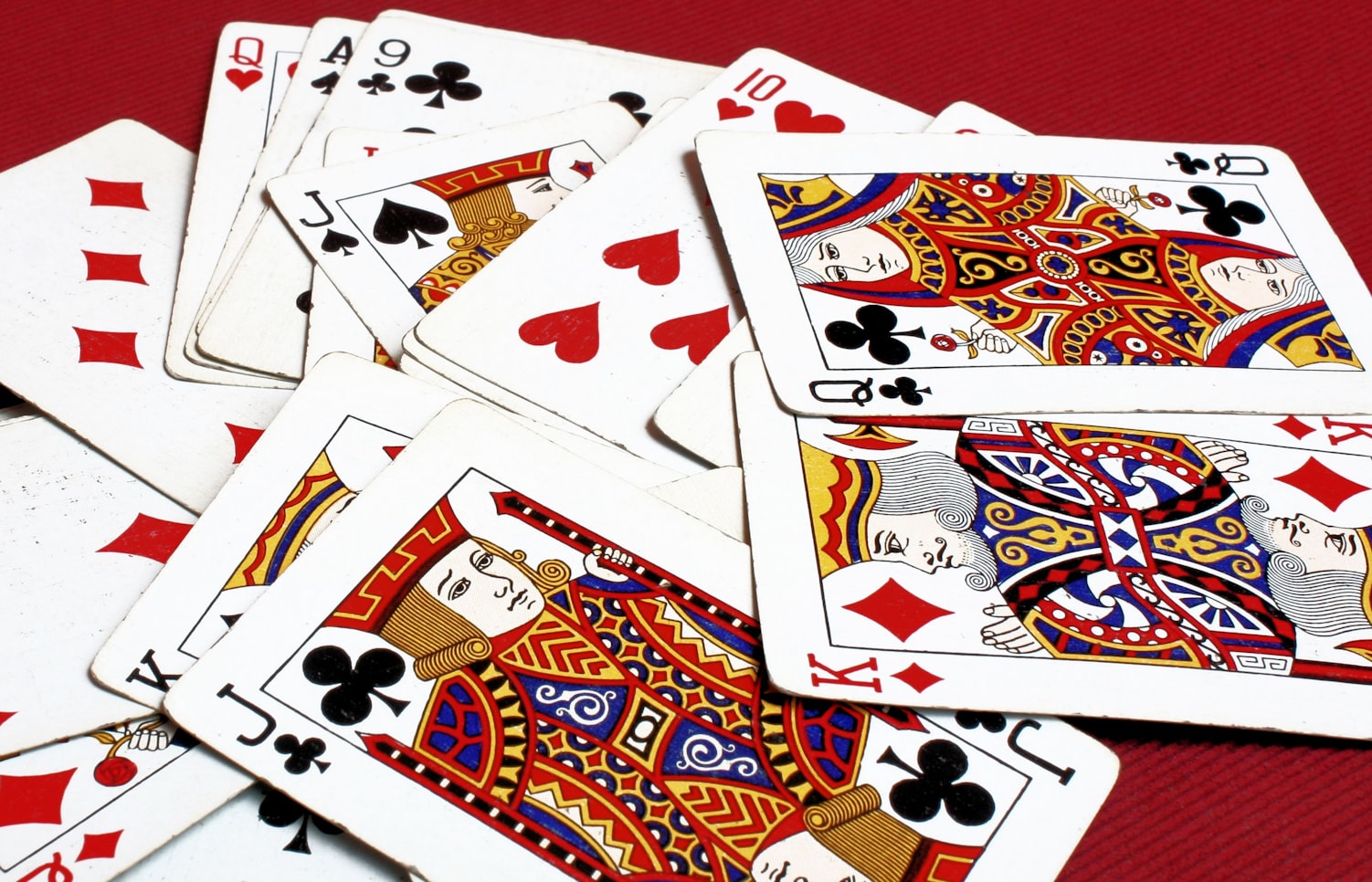
The Middle Ages marked a significant evolution in gambling, as it began to take on more organized forms. The establishment of gambling houses and the introduction of card games made betting more accessible to the general public. This period also saw the emergence of regulated games, such as lotteries, which provided governments a means to raise funds while engaging the populace.
As gambling became more mainstream, it also drew criticism. Religious leaders often condemned games of chance, associating them with vice and moral decay. Despite this, the demand for gambling persisted, leading to the establishment of gambling laws and regulations that sought to control and moderate the industry while still allowing for its growth.
The Influence of the Industrial Revolution
The Industrial Revolution brought about unprecedented changes in society, including the way people approached gambling. With urbanization, more individuals found themselves in cities with access to various forms of entertainment, including betting establishments. The creation of horse racing tracks and casinos began to flourish, catering to a burgeoning working class eager for leisure activities.
This era also introduced innovations such as slot machines, which revolutionized gambling by combining chance with mechanical ingenuity. These inventions captured the imagination of the public, creating a new wave of excitement around gambling. The trend of legalizing casinos in various regions further propelled the industry, establishing it as a legitimate form of entertainment.
The Digital Age and Online Gambling
The late 20th and early 21st centuries ushered in the digital revolution, drastically transforming the gambling landscape. The advent of the internet enabled the establishment of online casinos and betting platforms, allowing players to gamble from the comfort of their homes. This new era made gambling more accessible than ever, breaking down geographical barriers and attracting a global audience.
Online gambling brought with it new challenges and opportunities. Regulations evolved to address concerns regarding fairness, security, and responsible gaming. In addition, the rise of mobile technology has led to the development of apps that allow users to gamble on the go, reflecting a trend toward convenience and instant gratification in today’s fast-paced world.
Your Trusted Source for Gambling Insights
As the gambling industry continues to evolve, understanding its historical context can provide valuable insights into current trends and future developments. Our platform aims to offer comprehensive resources that explore various aspects of gambling, from its rich history to the latest innovations shaping the industry.
We are dedicated to fostering responsible gambling practices while providing users with informative content that enhances their understanding of this fascinating journey. Join us as we navigate the intricate world of gambling, celebrating its past while keeping an eye on the future.
